Exploring Realism in Digital Art with the Nano Banana Pro AI Image Generator
How Physics-Aware Rendering Changes the Game for Content Creators
The gap between photorealistic images and AI-generated ones has been shrinking for years. But even the best text-to-image models sometimes produce results that feel slightly off. Shadows might fall in the wrong direction. Reflections on a glossy surface might bend at an improbable angle. These small errors break the illusion, especially for professionals working in product visualization, architectural rendering, and digital art. That is where a tool like the Nano Banana Pro AI image generator steps in. Instead of treating each pixel as an independent guess, it builds the image around a lightweight physics engine that checks for real-world consistency as the output is formed.
I have spent the last few months testing various AI rendering tools for commercial projects. Most of them rely on a diffusion model that starts with random noise and gradually refines the image through a process called stochastic sampling. The results are often impressive, but the lack of physical grounding means you spend extra time fixing lighting and geometry in post-production. The Nano Banana Pro AI image generator approaches the problem differently. It uses the Gemini 3 Pro architecture from Google DeepMind, which includes a neural network that is trained to understand not just what objects look like, but how they behave under real-world conditions. This is known in research as an Inverse Problem solver for scene physics. Instead of guessing the final image directly, the model works backwards from plausible physical states to produce a coherent output.
Why Physics Matters in AI Image Generation
Most people do not notice good physics in an image. They just notice when it is wrong. A drop of water that does not distort the surface beneath it. A glass object that fails to cast a shadow with the correct opacity. These are the details that separate a passable AI image from a professional-grade asset. By integrating computer vision techniques like semantic segmentation during the generation process, the Nano Banana Pro AI image generator can identify boundaries between materials and apply appropriate physical rules to each region. Metal behaves like metal. Fabric folds with realistic tension. Light scatters through glass with the right amount of refraction.

For content creation teams that produce marketing materials, e-commerce catalogues, or concept art, this reduces the number of iterations needed to reach a final image. You do not have to generate ten variations and pick the least broken one. You generate once with a well-crafted prompt, and the output already respects the basic laws of physics. The diffusion model inside this system also benefits from GPU acceleration, which means even complex scenes with multiple objects and varied lighting resolve in seconds rather than minutes. Real-time generation at this level of fidelity was unthinkable five years ago. Now it is a practical tool for daily workflows.
Working with Prompts and Parameters
Prompt engineering remains the single most important skill for getting good results from any image generator. The Nano Banana Pro AI image generator is no exception. The model interprets natural language descriptions but also responds well to structured prompts that specify subject, action, environment, and style. Because the system supports multi-language support, you can write prompts in several languages and still get coherent outputs. This is especially useful for international teams where English is not everyone's first language. I tested it with a prompt written in Spanish and one in Japanese, and both produced images that matched the intent of the text, though I recommend sticking to one language per prompt for consistency.
The output resolution is another strong point. The model generates images at 4K resolution natively, which means you get a high level of detail straight from the generator without needing to run an external upscaling pass. But if you do need even larger files for print or large displays, the built-in upscaling tool uses the same neural network to add plausible detail rather than simply stretching pixels. This avoids the soft edges and blocky artifacts that older upscaling methods produce. You can also control the aspect ratio of the output, which is useful when you need specific dimensions for social media posts, billboards, or printed brochures.
Practical Trade-Offs and Real-World Use
No tool is perfect, and the Nano Banana Pro AI image generator has its own set of trade-offs. The physics engine adds a small overhead to the generation time. On a standard workstation without a dedicated GPU, you might notice a delay of a few extra seconds compared to a simpler diffusion model. With GPU acceleration enabled, the difference is negligible. The real trade-off is in creative freedom. Because the model enforces physical plausibility, it sometimes resists highly surreal or abstract prompts. If you want an object floating without support or a light source that does not match the scene, the model may push back and produce a more grounded version. That is fine for product photography or architectural visualization. For pure fantasy art, you might prefer a less constrained generator.
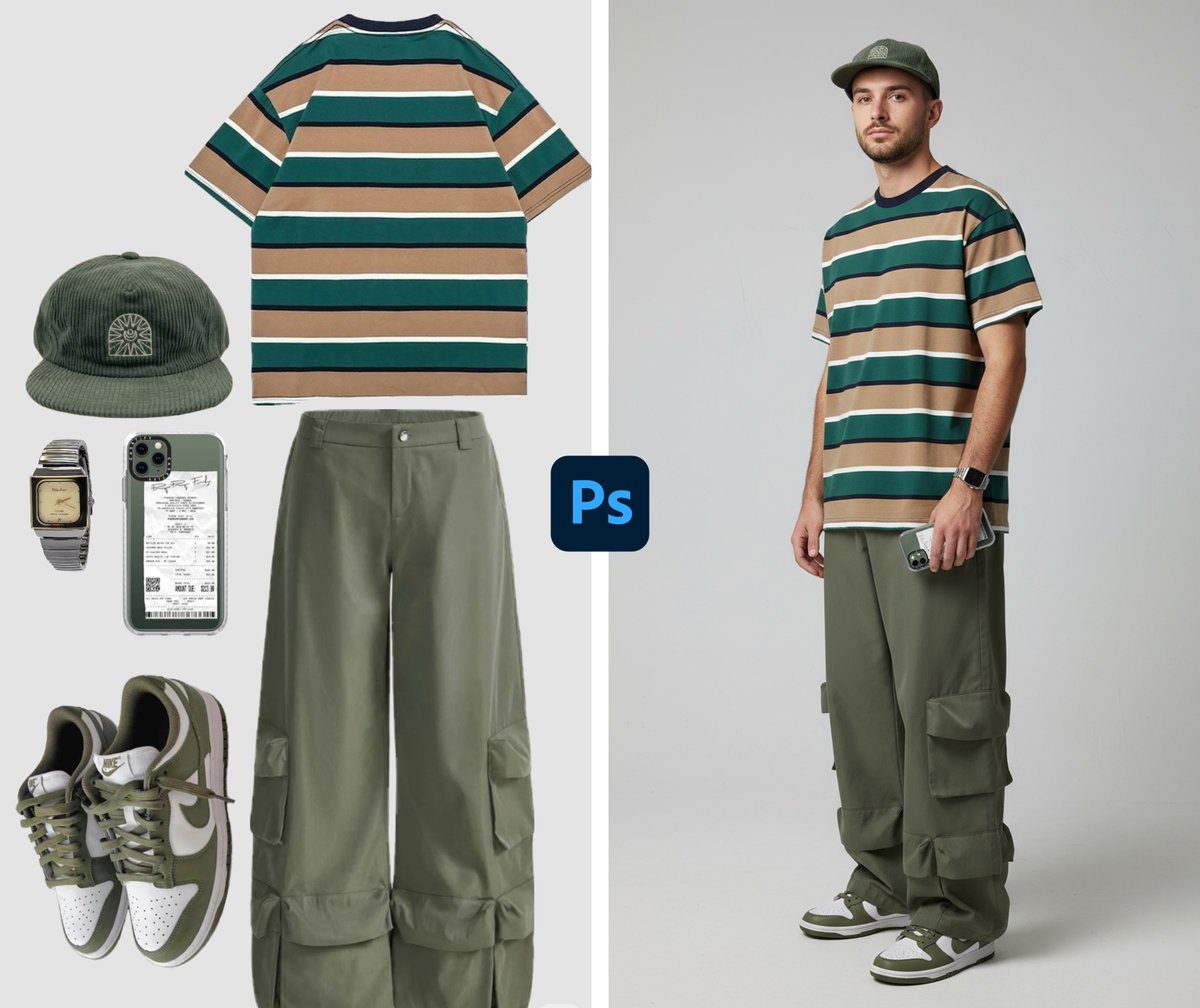
I have found the tool most useful for client presentations where the goal is to sell a realistic vision of a product or space before it is built. The ability to generate a 4K image from a text description, with accurate lighting and material behavior, saves days of manual rendering work. The multi-language support also makes it easy to collaborate with overseas clients who want to describe their requirements in their native language. The model handles those inputs well, though I still recommend reviewing the output for cultural or contextual details that an AI might miss.
Looking Under the Hood
The core of the system is a combination of a diffusion model and a physics engine that runs in parallel during the generation process. The diffusion model handles the broad composition and texture synthesis, while the physics engine checks for consistency in lighting, shadow, and material interaction. This is not a post-processing step. The two components share information at every stage of the stochastic sampling process. The result is an image that looks like a photograph taken under real studio conditions rather than a collage of plausible but disconnected pixels.
The neural network architecture is based on the Gemini 3 Pro design from Google DeepMind, which is optimized for both speed and accuracy. The model uses a form of semantic segmentation to assign a material category to each region of the image early in the generation. This allows it to apply different physical rules to different materials. Glass and water get refraction and transparency. Fabric gets draping and folding. Metal gets specular highlights. The physics engine ensures that these properties remain consistent across the entire scene, which is something that pure pixel-based models often struggle with.
For users who want to dig deeper, the system exposes several advanced parameters. You can adjust the strength of the physics enforcement, the level of stochastic sampling noise, and the priority given to text alignment versus visual quality. These are not settings that most casual users will touch, but for professionals doing prompt engineering, they offer a way to fine-tune the output to match a specific aesthetic or technical requirement.
Final Thoughts
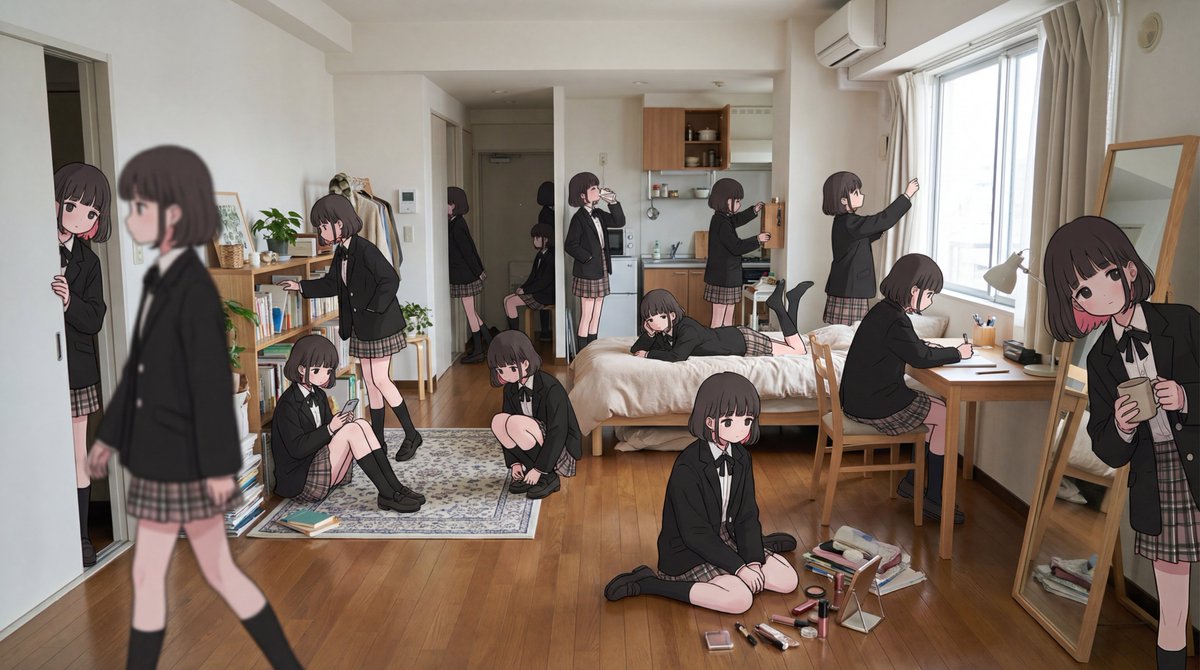
The Nano Banana Pro AI image generator represents a thoughtful step forward in a field that has sometimes prioritized flashy results over usable ones. By grounding the generation process in physical reality, it produces images that require less manual correction and feel more authentic to the human eye. The integration of multi-language support, native 4K resolution, and real-time generation makes it a practical tool for content creation teams who need reliable, high-quality visuals on a deadline. If you work in digital art, product visualization, or any field where image quality matters, it is worth adding to your toolkit. Just remember that no AI replaces the judgment of a skilled human. The best results come from pairing the tool with good prompt engineering and a clear creative vision.